

Introduction
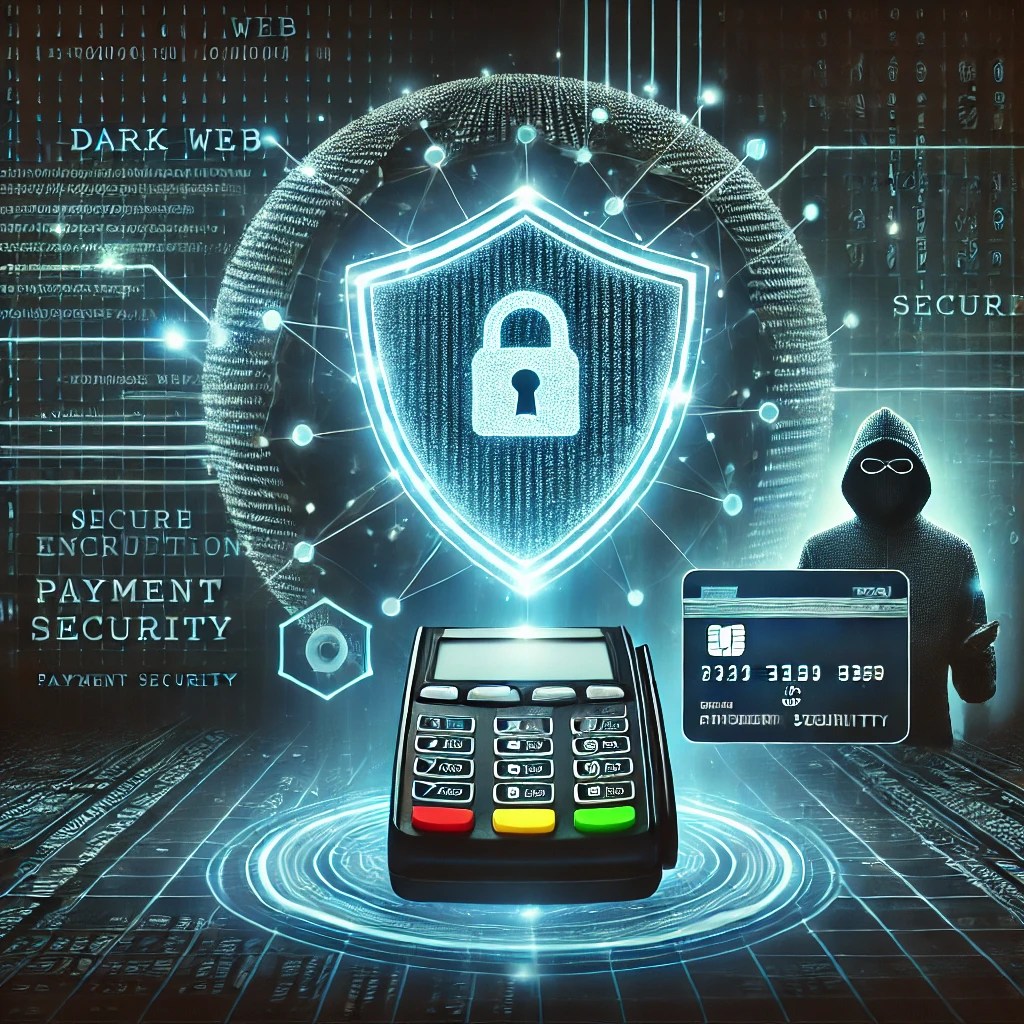
As digital transactions continue to grow, so do the risks associated with cyber threats. One of the most dangerous yet often overlooked risks is the dark web—a hidden part of the internet where stolen financial data is bought and sold.
For businesses handling sensitive payment information, the consequences of a data breach can be devastating, leading to financial loss, regulatory fines, and reputational damage.
At Paysloop, we emphasize proactive security. In this article, we’ll explore how dark web monitoring can help businesses detect breaches early, protect customer data, and maintain compliance in an ever-evolving cybersecurity landscape.
The Dark Web and Its Impact on Payment Security
The dark web is an anonymous part of the internet that requires special software like Tor to access. Unlike the regular web, it is unindexed and unregulated, making it a hotspot for cybercriminals.
Common Threats Found on the Dark Web
🔴 Stolen credit card details being auctioned or sold in bulk
🔴 Hacked merchant accounts with compromised payment credentials
🔴 Fake payment gateways set up to steal customer data
🔴 Phishing toolkits designed to target businesses and customers
For businesses, a single data leak can lead to unauthorized transactions, chargebacks, and loss of consumer trust.
Why Dark Web Monitoring is Essential for Businesses
Dark web monitoring is a proactive cybersecurity strategy that involves scanning underground forums, illegal marketplaces, and encrypted chat platforms to detect leaked business or customer payment data.
Instead of waiting for fraud to happen, businesses can detect and respond to threats before they escalate.
How Dark Web Monitoring Helps Businesses
✅ Early Fraud Detection – Identify leaked credit card details before they are misused
✅ Brand & Reputation Protection – Prevent stolen customer data from being sold
✅ Regulatory Compliance – Maintain security standards like PCI DSS and GDPR
✅ Risk Mitigation – Reduce chargebacks, fines, and fraudulent transactions
For example, a travel company that accepts online payments may detect stolen customer card details being sold online. With early alerts, they can immediately take preventive action to secure affected accounts and notify customers.
Key Features of a Strong Dark Web Monitoring System
🔹 Real-Time Threat Alerts
Receive instant notifications when leaked payment data is found. The faster a business acts, the lower the risk of fraud.
🔹 Comprehensive Coverage
A robust system scans forums, encrypted messaging platforms, and illegal marketplaces, ensuring no potential threat goes unnoticed.
🔹 AI-Powered Intelligence
Advanced machine learning algorithms can detect suspicious patterns in cybercriminal behavior, flagging threats before they become breaches.
🔹 Custom Monitoring for Your Business
Different industries face different threats. Monitoring solutions should be tailored to each business, whether it’s retail, gaming, travel, or e-commerce.
Implementing Dark Web Monitoring in Your Business
To incorporate dark web monitoring, businesses need the right tools and strategy. Here’s how:
Step 1: Choose a Trusted Monitoring Solution
Select a provider that specializes in financial data security. Examples include solutions that integrate fraud detection, AI analytics, and risk intelligence.
Step 2: Set Up Automated Alerts
Ensure the system is configured to track specific types of leaks, such as:
✔️ Credit card details
✔️ Leaked payment gateway credentials
✔️ Compromised API keys
Step 3: Establish a Response Plan
Once a threat is detected, businesses must:
- Verify if the leaked data belongs to them or their customers
- Notify affected customers and banking partners
- Enhance security protocols (e.g., enforcing MFA, changing credentials)
Challenges of Dark Web Monitoring
While dark web monitoring is highly effective, it comes with some challenges:
⚠️ False Positives & Accuracy Issues
Not all detected leaks are valid. Businesses need AI-driven analysis to distinguish real threats from irrelevant data.
⚠️ Resource Allocation
Monitoring the dark web requires trained cybersecurity teams and advanced tools, which can be costly for smaller businesses.
⚠️ Legal & Ethical Considerations
Accessing dark web data involves navigating regulatory frameworks like GDPR and PCI DSS to ensure compliance.
The Business Benefits of Dark Web Monitoring
Implementing dark web monitoring offers several long-term advantages:
✔️ Prevents Payment Fraud – Stops card misuse before customers experience fraud
✔️ Maintains PCI Compliance – Helps businesses stay compliant with payment security standards
✔️ Boosts Customer Trust – Proactive security reassures customers their data is safe
For instance, a global e-commerce company discovered a batch of stolen customer payment details on the dark web. By responding quickly, they blocked fraudulent transactions, secured accounts, and prevented a major financial loss.
The Future of Dark Web Monitoring in Payment Security
🔮 AI & Predictive Analysis
Future monitoring tools will predict threats before data leaks occur, using machine learning and behavioral analytics.
🔮 Greater Integration with Cybersecurity Systems
Dark web monitoring will become part of comprehensive fraud prevention systems, connecting with:
✔️ Transaction monitoring
✔️ Payment fraud detection
✔️ Threat intelligence platforms
🔮 Tighter Industry Regulations
Expect stricter laws on data protection, requiring businesses to proactively monitor and report threats.
Conclusion
With cyber threats becoming more sophisticated, businesses must stay ahead of fraud risks. Dark web monitoring offers a proactive approach to detecting, preventing, and mitigating payment security threats before they cause financial damage.
By adopting advanced monitoring solutions, businesses can secure customer data, maintain compliance, and build trust in an increasingly digital economy.
How Paysloop Helps Secure Your Payments
At Paysloop, we provide tailored payment security solutions, including:
✅ Dark web monitoring for stolen payment data
✅ Fraud prevention systems to stop unauthorized transactions
✅ Custom security strategies for your industry
💬 Contact us today to learn how we can safeguard your business!


 Paysloop – Powering Your Payments